
What Is a Blind Box?
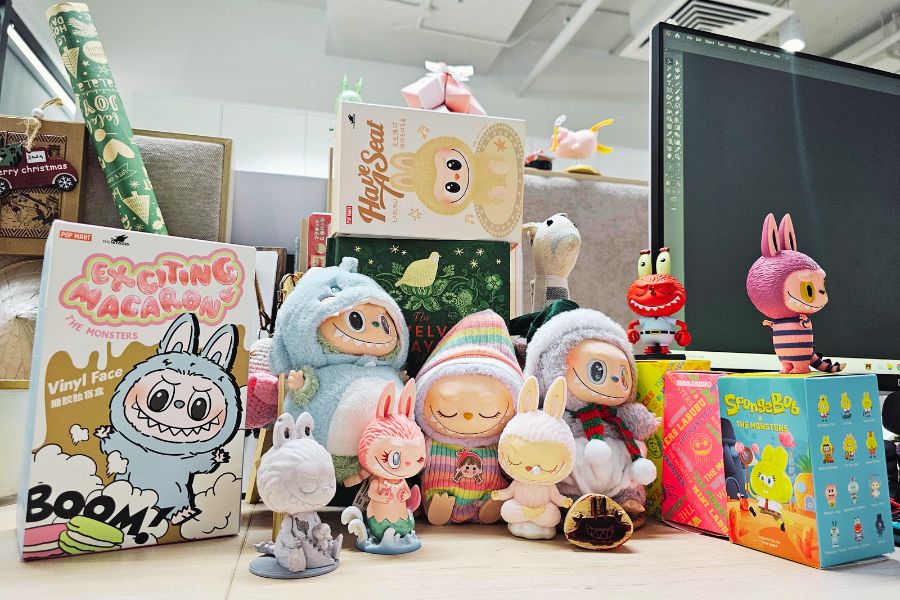
A blind box is essentially a small sealed package containing a mystery collectible, and opening one feels like a miniature roller-coaster ride for your dopamine receptors. Now, I know what you’re thinking: “So… it’s a box. And I don’t know what’s inside. Why is everyone losing their minds over this?” That’s a fair question—and one that puzzled many parents, partners, and uninitiated collectors around the globe until they opened one blind box, just one, and instantly understood the irresistible charm. At its core, a blind box combines anticipation, surprise, and collectability into one neatly designed object that triggers the same psychological thrill as tearing open a lottery scratch card—but with much cuter odds and significantly fewer crushed financial dreams.
The concept is elegant in its simplicity. Each blind box belongs to a series, meaning a themed collection of figures—maybe adorable animals sipping bubble tea, cyberpunk robots with shockingly relatable expressions, or designer art toys created by renowned artists with names that sound more like futuristic DJ aliases. Within every series, you’ll find a variety of figures: some common, some rare, and some secret figures that cause collectors to momentarily forget their indoor voices. Because you never know which one you’ll get, each unboxing turns into a tiny adventure. You could pull a character you’ve been wanting for months, or you might get a duplicate—which is either mildly disappointing or a great excuse to trade with someone else.
Realistically, blind boxes are more than just toys. They’re a shared experience, part unboxing ritual, part social activity, part expression of personal taste. Collectors often document their pulls online, build display shelves like miniature art galleries, and trade duplicates with people from around the world. Brands like Pop Mart, Kidrobot, Bearbrick, and Funko have elevated the blind box to a premium product category, blending toy design, artistry, story-telling, and marketing strategy into something that feels both accessible and exclusive.
But why do these tiny boxes hold such power over fully functioning, tax-paying adults? Because they scratch an ancient human itch: the thrill of uncertainty. Opening a blind box feels like opening a gift from yourself to yourself—except you genuinely don’t know what’s inside, so the surprise is real. Even if you don’t pull the figure you wanted, the experience itself feels fun, fast, and oddly wholesome. And the more you learn about blind boxes, the more you start to appreciate them not only as collectibles but also as tiny pieces of modern pop culture history.
Blind boxes have become a phenomenon, bridging art, psychology, nostalgia, and social engagement in a way no ordinary toy ever could. They invite curiosity, reward dedication, and inspire collectors of all ages to enjoy a moment of uncomplicated wonder. If you’re new to the world of blind boxes, buckle up—you’re about to understand why these little mysteries have become one of the most addictive categories in the collectibles market today.

The Origins of Blind Boxes
The origins of the modern blind box can be traced back to Japan’s legendary gachapon machines, those brightly colored capsule dispensers found in arcades, train stations, and any location where humans are likely to impulsively insert coins into machines. Gachapon culture began booming in the 1970s and 1980s, introducing the idea that a toy’s mystery could be just as enticing as the toy itself. Each capsule contained a random item from a themed series, and because the machines gave no hints, collectors developed a natural tolerance for disappointment and a powerful craving for the next coin-turn. Japan, in its infinite creativity, nurtured this culture into a nationwide phenomenon—one that combined the fun of surprise with the joy of completing a set. Sounds familiar, right?
As designer toy culture evolved in the late 1990s and early 2000s, brands like Medicom Toy and Kidrobot recognized the potential of gacha-style mystery collecting but wanted a more premium expression of it. They took the core concept—randomized collection—and infused it with artistry, storytelling, and high-quality manufacturing. Instead of cheap toys dispensed from machines, the new blind boxes were attractively designed packages featuring original characters, artistic collaborations, and limited-edition releases. Suddenly, these weren’t toys—they were collectibles, miniature sculptures, tiny pieces of art wrapped in cardboard suspense.
It wasn’t long before Western brands adapted the trend. Funko, already thriving in the vinyl figure market, introduced blind box lines that paired pop-culture licenses with surprise mechanics. Meanwhile, Asian brands like Pop Mart elevated the game even further with stunning designs, premium packaging, and artist collaborations that often rival the appeal of figurines from major art conventions. Collectors quickly saw blind boxes as a fusion of creativity, craftsmanship, and entertainment, sparking a wave of global enthusiasts from China to Europe to the U.S.
The rise of social media propelled blind boxes into cultural stardom. Unboxing videos, collector haul posts, and trading communities began flourishing. Suddenly, owning blind boxes wasn’t just a hobby—it was a shared cultural moment. This visibility inspired more artists and brands to join the trend, creating richer themes, more intricate characters, and deeper brand lore. Blind boxes transitioned from niche collectibles to mainstream sensations, with lines forming outside stores for new series releases and drops selling out online within minutes.
Today, blind boxes represent a unique blend of psychology, nostalgia, and modern consumer culture. They borrow from ancient concepts of chance, blend them with pop-culture aesthetics, and wrap everything in high-end packaging. The fact that this entire tradition started from simple Japanese capsule toys is a beautiful reminder of how far creativity can travel—and how deeply humans enjoy the thrill of surprise.
Why Are Blind Boxes So Popular?
Blind boxes have skyrocketed in popularity for a variety of interconnected reasons, and understanding those reasons requires a blend of psychology, cultural insight, and a dash of humor about human nature. First and foremost, there’s the irresistible dopamine factor. Humans are hardwired to love surprises; our brains treat unpredictable rewards as extra exciting. This is why blind boxes are often compared to mini lotteries—except instead of losing money and crying into your cereal, you get a cute collectible to display proudly on your shelf.
Another reason blind boxes resonate is their inherent collectibility. Each series often includes rare or “chase” figures that spark a sense of accomplishment when found. Collectors will go to extraordinary lengths—multiple purchases, swaps, queueing for releases—to complete a set. In a way, collecting blind boxes is like completing a puzzle, except the puzzle pieces are adorable vinyl characters and completing them doesn’t require crouching on the floor for hours questioning life choices.
Blind boxes also tap into the nostalgia factor. For many, they evoke memories of collecting trading cards, opening Kinder Surprise eggs, or swapping toys during recess. Adults, particularly millennials and Gen Z, embrace blind boxes as a modern twist on childhood joys, but with a more mature aesthetic appeal. It’s nostalgia with better design and fewer tantrums—usually.
Then there’s the community aspect. Blind box collectors aren’t lone wolves; they’re part of vibrant online and offline communities. Trading groups, social media fan pages, conventions, and collecting events create shared excitement. Someone may pull a rare figure you’ve been hunting for months, and suddenly you’re negotiating like a diplomat at a peace summit, offering duplicates, artwork, or favors in exchange. It’s friendly, passionate, and occasionally hilarious.
Lastly, blind boxes shine because they make excellent gifts. When you can’t decide what to give someone, a blind box solves the problem by outsourcing the decision to fate. Whether the recipient loves cute bunnies, sci-fi robots, fantasy creatures, or artsy designs, there’s a blind box series for nearly every personality type. The unboxing becomes part of the gift-giving moment—funny, suspenseful, and memorable.
Blind boxes succeed because they capture the magic of the unknown, the joy of collecting, and the thrill of shared excitement. It’s no wonder they’ve become a global phenomenon.
Common Terms Every Collector Should Know
When you first step into the world of blind boxes, you’ll quickly discover that collectors speak an entirely different dialect — a charming blend of toy jargon, gaming slang, and sheer emotional chaos. So, before you accidentally trade your most valuable figure thinking it’s “just a cute one,” let’s break down some of the essential terminology that’s part of every collector’s vocabulary. Understanding these terms not only helps you navigate conversations but also empowers you to make informed purchases, join trading groups with confidence, and avoid the classic beginner mistakes. And trust me, nothing stings quite like discovering you’ve casually swapped a rare chase figure for someone’s 3rd duplicate common bunny. It’s basically the toy-collecting equivalent of selling a Picasso for a sandwich.
Series:
This refers to a full set of designs for a particular blind box release. Think of it as a family — each character belongs to a shared theme or aesthetic. A series might include 8, 10, or even 12 figures depending on the brand. Some brands add special seasonal editions, collaborations with famous artists, or thematic expansions that collectors adore. Understanding series helps you keep track of what you’re missing and what you’re hunting for.
Common Figures:
These are the figures you’re most likely to pull. They make up the bulk of the boxes produced, so you’ll often see them multiple times — especially when you buy several blind boxes from the same series. They’re great for beginning collectors and also perfect for trading later on.
Rare Figures / Chase Figures:
Ah yes, the golden children. Chase figures are printed in lower quantities, making them more difficult to obtain. Collectors go to great lengths to find these, and opening a box to discover one is basically the equivalent of finding a twenty-dollar bill in jeans you haven’t worn since last summer. Chase figures usually have unique designs, special finishes (like glitter, metallics, or glow-in-the-dark paint), or entirely different character molds. Some series include “super secret” figures that aren’t even shown on the box — a brand’s sneaky way of creating extra drama.
Duplicates:
These are the extras you get when you open a box and find a figure you already own. Duplicates are inevitable — but don’t worry, they’re not a waste. They form the backbone of the trading ecosystem. Many collectors intentionally buy extra boxes expecting duplicates they can trade, which feels sort of like blind box arbitrage but with far fewer spreadsheets.
Unboxing:
This is the actual act of opening a blind box. It’s a cherished ritual — you slowly peel back the packaging, hold your breath like you’re defusing a bomb, then celebrate or sigh dramatically depending on the outcome. TikTok and YouTube are filled with unboxing videos because, oddly enough, watching other people gamble with cardboard surprise toys is strangely therapeutic.
Display Case:
Since blind box figures are collectible art pieces, most people proudly put them on full display. Display cases come in acrylic, glass, LED-lit, or even DIY cardboard variety (we don’t judge). A good display case keeps collectibles dust-free, organized, and looking impressive enough that your guests think you’re a tiny museum curator.
Authentication:
Some brands include official stickers, QR codes, or holographic labels on packaging to distinguish authentic figures from counterfeits. If you’re buying from resellers or second-hand sellers, double-checking authenticity saves you from heartbreak later.
Knowing these terms makes your entry into blind box culture smoother, more confident, and a lot more fun. It’s like learning the secret handshake that gets you into the clubhouse — except the clubhouse is filled with colorful vinyl characters and grown adults hunched over shelves arranging them “just right.”
How to Start Collecting Blind Boxes
Starting your blind box collection is an exciting journey filled with discovery, strategy, and a few emotional roller coasters. The best part? You don’t need to be a seasoned toy collector or an art expert to enjoy it. All you need is curiosity, a bit of patience, and maybe some shelf space you’re willing to sacrifice — because trust me, you’ll need it sooner than you think. Collecting blind boxes isn’t just about buying toys; it’s about participating in a global hobby that blends creativity, community, and chance in a strangely addictive way. And if you want to start strong, avoiding rookie mistakes, and build a collection you’re proud of, here’s how to do it properly.
1. Choose a Theme You Truly Love
Blind boxes come in a huge range of themes — fantasy creatures, pastel animals, anime characters, robots, retro nostalgia, food-themed characters, and high-end designer art toys. The best way to begin is by choosing a theme that fits your personality. If a character makes you smile instantly, you’re on the right path. This will keep you motivated even when you get duplicates or miss a chase figure.
2. Start with One or Two Series — Not Ten
It’s easy to get overwhelmed when there are hundreds of series available worldwide. Starting with one or two series helps you learn the process, understand rarity odds, and track your collection without feeling chaotic.
3. Buy From Reputable Retailers
Counterfeits exist, and unfortunately, some fake blind box figures look almost identical to real ones. Always buy from trusted websites, official brand stores, or well-known resellers with strong ratings. Authentic blind boxes will have proper packaging, the correct brand logos, and quality finishes that counterfeits rarely get right.
4. Keep Track of What You Own
Whether you use a simple notebook, a spreadsheet, or a fancy collector app, tracking your figures makes the hobby more organized. You’ll know exactly what you’re missing and what you have duplicates of — which becomes very helpful when you start trading.
5. Trade — Don’t Be Shy
Once you start getting duplicates (and you will), trading becomes your best friend. Online communities, Reddit, Facebook groups, and trading app platforms allow collectors worldwide to swap safely. Trading is cost-effective and builds connections with other collectors, which is half the fun.
6. Display Your Collection Proudly
Collecting blind boxes is an art form, so display your figures in a way that reflects your personality. Use acrylic shelves, LED-lit cases, desk displays, or themed setups. This not only makes your space look amazing, but it also deepens your enjoyment of the collection.
7. Set a Budget
Blind boxes are exciting, but they can also tempt you into overspending. Setting a strict weekly or monthly budget helps you enjoy the hobby responsibly. Collecting should be fun, not stressful.
8. Stay Informed About New Releases
Blind box brands frequently release new series. Following official social media accounts, newsletters, and collector forums helps you stay updated on upcoming drops, special editions, and artist collaborations.
With these steps, you’ll begin your collecting journey with confidence, enthusiasm, and sustainability. Before long, you’ll look at your growing display shelf and think, “Yep, this escalated quickly — but I love it.”
Where to Buy Authentic Blind Boxes
Buying blind boxes is part art, part strategy, and part luck — but knowing where to buy them turns the hobby from chaotic guessing to a well-informed process. The blind box market is global, and because brands like Pop Mart, Kidrobot, and Funko are massively popular, there are plenty of places to buy from. But not all sellers are equal, and buying from unreliable sources can lead to counterfeits or damaged figures — the ultimate heartbreak for any collector. Let’s walk through the most reliable and convenient ways to get your hands on authentic blind boxes without regret.
1. Official Brand Websites
This is the safest route. Buying directly from Pop Mart, Funko, Kidrobot, Mighty Jaxx, and other top brands ensures authenticity. You also get early access to new releases and limited editions.
2. Authorized Retailers
Stores like Hot Topic, BoxLunch, and specialty collectible stores often carry official blind box lines. These are great for collectors who prefer shopping in person.
3. Online Marketplaces (With Caution)
Platforms like Amazon, eBay, and AliExpress have blind boxes, but quality varies. Always check seller ratings, reviews, and authenticity symbols. Genuine sellers will provide clear photos of the actual boxes.
4. Collectible Toy Stores & Boutiques
Many cities have designer toy shops or boutique retailers that specialize in blind boxes and art collectibles. These shops offer curated collections and knowledgeable staff.
5. Conventions & Pop Culture Events
Anime conventions, comic cons, and art toy expos often host booths from major brands. These events sometimes carry exclusives unavailable anywhere else.
6. Your Own Online Store (If You Sell Them!)
As an ecommerce owner, this is your chance to shine. Offer authenticity guarantees, clear product descriptions, and fast shipping — collectors appreciate trustworthy sellers.
And remember:
If a price feels too good to be true… it probably is.
Final Thoughts
Blind boxes aren’t just toys — they’re a celebration of mystery, art, and shared excitement. Whether you’re collecting casually or building an impressive display wall worthy of a museum, the beauty of blind boxes lies in the experience: the suspense, the joy, the surprises, and even the duplicates. These tiny boxes bring together nostalgia, creativity, and community in a way that few hobbies can match. No matter where you are in your collecting journey, blind boxes offer a moment of childlike wonder that fits right into adult life — a rare combination of fun and artistry in one little package.